Bathroom Shower Ideas
Here are a few bathroom shower ideas to consider:
- Walk-In Shower: Consider a walk-in shower with a glass enclosure that creates a sleek, modern look. You can opt for a doorless shower or one with a sliding glass door.
- Spa-Inspired Shower: Create a spa-inspired shower by incorporating natural materials such as stone, wood, or pebble tiles. Add rainfall showerheads, steam features, and built-in benches to make it a relaxing experience.
- Tile Accent Wall: Use bold and colourful tiles to create an accent wall in the shower. You can mix and match different tile shapes and sizes to create a unique design.
- Frameless Shower Doors: Install frameless shower doors to create a clean, minimalistic look in your bathroom. This style can make a small bathroom feel more spacious and open.
- Multiple Showerheads: Install multiple showerheads, including a handheld showerhead, to create a luxurious experience. You can also add in different spray patterns, such as massage jets, for added relaxation.
- Built-In Shelves: Install built-in shelves in the shower to keep your toiletries organized and easily accessible. You can also use these shelves to display decorative items, such as candles or plants.
- Statement Lighting: Use statement lighting, such as a chandelier or pendant light, to add a touch of elegance and sophistication to your bathroom shower.
Remember to consider your personal style, budget, and the size of your bathroom when choosing a shower design.
5 Modern Bathroom Design Ideas
- Minimalist and Sleek Design: A minimalist and sleek bathroom design can create a calming and serene atmosphere. Use neutral colors like white and gray, and add subtle accents such as plants, a geometric mirror, and a modern light fixture.
- Industrial Style: Industrial style bathrooms can be a unique and stylish addition to any home. Exposed pipes, brick walls, and concrete countertops add an edgy and raw look. Incorporate metallic accents and dark colors for a modern touch.
- Natural Materials: Incorporating natural materials like wood, stone, and plants can create a calming and organic feel in the bathroom. Use natural wood for a vanity, add a stone bathtub, and add greenery for a spa-like feel.
- Bold Colors: If you’re not afraid of bold colors, consider using them in your bathroom design. Use a bold color for the walls or tiles, and balance it out with neutral colors for the rest of the bathroom. Add a modern light fixture and unique accessories for a fun and funky look.
- Floating Vanity: A floating vanity can create the illusion of more space in a smaller bathroom. Combine a floating vanity with a large mirror, and add modern lighting fixtures for a sleek look.
Small Bathroom Design Ideas
Here are some small bathroom design ideas that you may find helpful:
- Use Light Colors: Light colours can make a small bathroom feel larger and brighter. Try using pale shades of white, beige, or gray on the walls and floors.
- Choose the right fixtures: Opt for small, space-saving fixtures such as a pedestal sink, corner shower, or compact toilet. These will take up less space and make the room feel less cramped.
- Add Mirrors: Mirrors can help create the illusion of more space in a small bathroom. Try adding a large mirror above the sink or a mirrored cabinet to reflect light and make the room feel larger.
- Use Vertical Space: Make use of vertical space by adding shelves or cabinets above the toilet or in the corner of the room. This will provide extra storage without taking up valuable floor space.
- Install a Pocket Door: A pocket door slides into the wall when it’s opened, freeing up floor space and making the room feel more open. If a pocket door isn’t possible, change the door so that it opens out instead of in.
- Use Patterns Wisely: Too many patterns can make a small bathroom feel cluttered. Instead, choose one or two patterns in a light colour to add interest without overwhelming the space.
- Install Lighting: Proper lighting can make a small bathroom feel brighter and more open. Install a combination of overhead lighting and task lighting around the sink and mirror.
- Create a Focal Point: Add a focal point, such as a piece of art or a colourful shower curtain, to draw the eye and add interest to the room.
Remember, a small bathroom doesn’t have to feel cramped or uncomfortable. With the right design elements, you can create a functional and stylish space that feels open and inviting.
How To Choose Tiles For Your Next Bathroom
Choosing the right tiles for your bathroom can be a daunting task. There are so many different types of tiles available, with varying sizes, colors, patterns, textures, and materials. But with a little planning and research, you can find the perfect tiles to create a stylish and functional bathroom that suits your needs and personal style. Here are some tips to help you choose the best tiles for your next bathroom renovation:
- Consider the size of the tiles: The size of the tiles you choose can have a big impact on the overall look and feel of your bathroom. Larger tiles can create a more spacious and streamlined look, while smaller tiles can add texture and interest to the space. Consider the size of your bathroom and the style you want to achieve when selecting the size of your tiles.
- Choose the right material: There are many different materials to choose from when it comes to bathroom tiles, including ceramic, porcelain, glass, and natural stone. Each material has its own unique properties and benefits, so consider your priorities and preferences when selecting a material. For example, if you want a low-maintenance option, porcelain tiles may be a good choice, while natural stone tiles can add a luxurious and natural look to your bathroom.
- Decide on a colour scheme: The colours you choose for your bathroom tiles can have a big impact on the overall look and feel of the space. Neutral colours like white, grey, and beige can create a clean and classic look, while bold colours like blue or green can add a pop of personality and drama. Consider the other design elements in your bathroom, such as the wall colour and fixtures, when selecting your tile colours.
- Think about the texture: The texture of your bathroom tiles can add dimension and interest to your space. Smooth and glossy tiles can create a sleek and modern look, while textured or patterned tiles can add depth and personality. Consider the style you want to achieve when selecting the texture of your tiles.
- Don’t forget about the grout: The grout you choose can make a big difference in the overall look of your bathroom tiles. Consider the colour and width of your grout to create a cohesive and polished look. For example, if you want a seamless and clean look, consider using grout that matches the colour of your tiles.
- Consider the maintenance: Different tiles may require different levels of maintenance, so consider your lifestyle and how much time and effort you want to put into cleaning and upkeep. Porcelain tiles, for example, are low-maintenance and easy to clean, while natural stone tiles may require more care and attention.
In conclusion, choosing the right tiles for your bathroom can seem overwhelming, but with a little planning and consideration, you can find the perfect tiles to create a stylish and functional space. Consider the size, material, colour, texture, grout, and maintenance requirements when selecting your tiles, and don’t be afraid to get creative and inject your personal style into the design. With the right tiles, your bathroom can become a beautiful and relaxing oasis in your home.
The Benefits Of Large Format Tiles
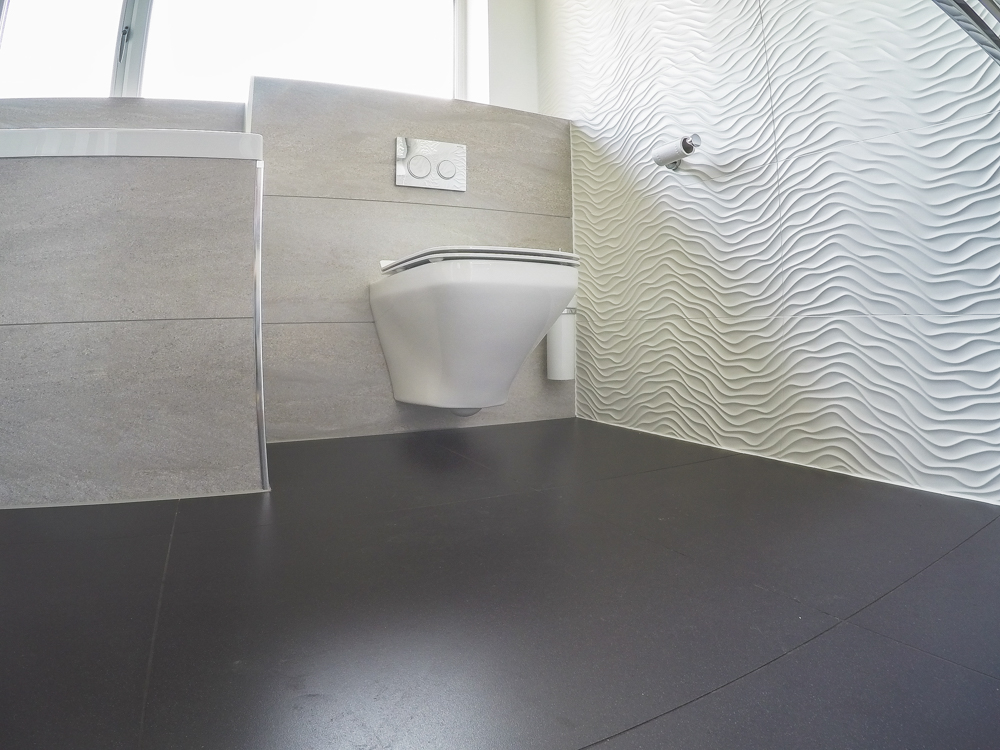 Tiles have long been a popular choice for flooring and wall surfaces in homes, offices, and public spaces. But in recent years, large format tiles have gained increasing popularity among architects, designers, and homeowners alike. Large format tiles refer to tiles that are larger than the traditional 12×12 inch or 18×18 inch size. They can range from 24×24 inches to as large as 48×48 inches or even bigger.
The trend towards large format tiles has been driven by a number of factors, including advancements in tile manufacturing technology, design trends that favor clean and seamless looks, and a desire for spaces that feel more expansive and open. But what are the benefits of large format tiles, and why should you consider using them in your next project? Here are some of the key advantages:
- Fewer grout lines: One of the biggest advantages of large format tiles is that they require fewer grout lines. This is because the larger size of the tiles means that you need fewer of them to cover a given area. Fewer grout lines mean that the surface looks more uniform and seamless, and also requires less maintenance over time. With less grout to clean, there is less chance for dirt and grime to accumulate in the crevices.
- A more modern look: Large format tiles are often associated with a sleek, modern aesthetic. The clean lines and lack of grout lines create a minimalist look that is popular in contemporary design. This can be especially effective in small spaces, where too many small tiles can create a cluttered appearance. Large format tiles can make a room feel more spacious, and also give it a high-end feel.
- Easy to install: Despite their larger size, large format tiles can actually be easier to install than smaller tiles. This is because there are fewer pieces to work with, and fewer grout lines to deal with. This means that installation can be quicker, which can save you time and money. Some large format tiles are also designed to be installed with thinner grout lines, which can further simplify the installation process.
- Durability: Large format tiles are often made from materials that are highly durable and resistant to wear and tear. This makes them ideal for high-traffic areas, such as hallways, entryways, and commercial spaces. They are also less prone to cracking and chipping than smaller tiles, which can be a real benefit in areas where heavy items may be dropped.
- Versatility: Large format tiles are available in a wide range of materials, colors, and textures, which means they can be used in many different design styles. They can mimic the look of natural stone, wood, or concrete, or can be finished with a glossy or matte surface. They can be used on floors, walls, backsplashes, and even countertops, making them a versatile option for many different types of projects.
In conclusion, large format tiles offer a range of benefits that make them an attractive option for designers, architects, and homeowners. From their seamless appearance to their durability and versatility, large format tiles are a great choice for anyone looking to create a stylish and modern space. So, whether you’re renovating your home or designing a commercial space, consider using large format tiles to achieve a high-end, contemporary look.
Villeroy & Boch CeramicPlus
The benefits of CeramicPlus
In addition to its standard ceramic range, Villeroy & Boch has added CeramicPlus to its range of options which greatly improves the properties of the ceramic. CeramicPlus gives the surface a permanent high quality finish smooth finish which offers optimum hygiene levels and is easier to clean. CeramicPlus is available exclusively from Villeroy & Boch.
Water droplets form on the CeramicPlus surface which then flow off into the outlet, taking residues, such as limescale and dirt, with them.
Villeroy & Boch claim the following:-
For cleaning, you now only need approx.
10% of the previous cleaning time*
10% of the previous cleaning agent*
10% of the previous water consumption **
* When removing limescale compared with standard ceramics.
** When contaminated with dirty water compared with standard ceramics.
CeramicPlus is extremely durable, scratch-resistant and quick to clean. Because CeramicPlus is easier to keep clean, it is also easier on your wallet (the cost of cleaning products) as well as easier on your time. Although it is a more expensive option than standard ceramic, CeramicPlus makes sense in the long term for its easy upkeep.